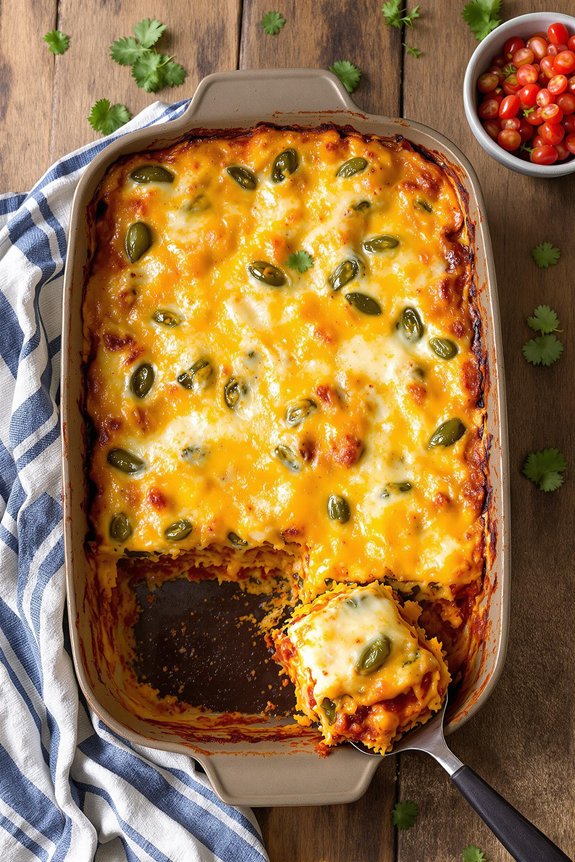


Why You’ll Love these Cheesy Polish Pierogi
Whether you’ve tried pierogi before or this is your first encounter with these delightful Polish dumplings, you’re in for a treat with Grandma’s cheesy version. The combination of rich ricotta (or cream cheese if you prefer) with that hint of lemon juice creates the perfect balance of creamy and tangy.
I adore how versatile these little pockets of joy are—boil them for a soft texture, pan-fry with butter and onions for crispy edges, or deep-fry for something truly indulgent.
Can anything beat that pillowy dough encasing warm, gooey cheese? Comfort food at its finest.
What Ingredients are in Cheesy Polish Pierogi?
Creating authentic Polish pierogi is all about balancing simple ingredients to achieve that perfect comfort food flavor. The recipe breaks down into two main components: the tender dough that forms the dumpling exterior and the rich, cheesy filling that makes these pierogi irresistible.
Don’t worry about hunting down exotic ingredients—most of what you need is probably already in your kitchen pantry.
For the filling:
- 8 ounces ricotta cheese (or cream cheese, softened) as your base
- 1 egg to bind everything together
- 1 tablespoon lemon juice for a subtle tang
- 1 onion, finely chopped and fried in butter
- Salt and pepper to taste
- 1 teaspoon sugar to balance the flavors
For the dough:
- 4 cups flour
- 2 eggs
- 1 teaspoon salt
- 3/4-1 cup warm chicken stock or bouillon
- 12 cups salt water (for boiling)
What makes these pierogi special is the flexibility with the cheese—notice you can use either ricotta for a lighter texture or cream cheese for something richer and more indulgent.
The lemon juice might seem like an unusual addition, but trust me, it’s that little bit of acidity that elevates the filling from good to grandmother-worthy.
And while the recipe calls for chicken stock in the dough, you could substitute vegetable broth if you’re cooking for vegetarian friends.
Just remember that good pierogi are all about balance—not too wet, not too dry—so be ready to adjust your flour or liquid as needed.
Recommended Products

Stainless steel and 5 layers bottom: Kirecoo 12-Quart Stainless Steel Stockpot with Lid is an essential kitchen cookware, boasting an advanced stainless steel construction with a 5-layer thickened base. This cooking pot features high temperature and corrosion resistance, promising a long service life without easy deformation. Composed of aluminum, iron, aluminum, and a magnetic base, the 5-layer bottom of stockpot has good sturdiness and performance. It heats quickly and distributes heat evenly.
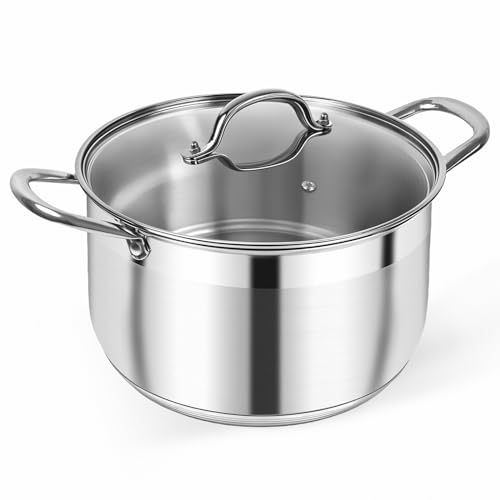
Stainless steel and 5 layers bottom: Kirecoo 8-Quart Stainless Steel Stockpot with Lid is an essential kitchen cookware, boasting an advanced stainless steel construction with a 5-layer thickened base. This cooking pot features high temperature and corrosion resistance, promising a long service life without easy deformation. Composed of aluminum, iron, aluminum, and a magnetic base, the 5-layer bottom of stockpot has good sturdiness and performance. It heats quickly and distributes heat evenly.

42QT Large Capacity: This large-capacity heavy duty stock pot can accommodate more ingredients in one go, saving on cooking time. It's also suitable for processing larger foods like turkey and lobster, ensuring even heating and thorough cooking.
How to Make these Cheesy Polish Pierogi

Making pierogi might seem intimidating, but I promise the process is more therapeutic than troublesome. Start by preparing your filling—combine 8 ounces of ricotta cheese (or cream cheese if you prefer), 1 egg, 1 tablespoon of lemon juice, your finely chopped and butter-fried onion, and season with salt, pepper, and 1 teaspoon of sugar. Mix everything thoroughly and pop it in the refrigerator while you tackle the dough. This chilling time actually improves the filling’s consistency, making it easier to work with later.
For the dough, combine 4 cups of flour, 2 eggs, and 1 teaspoon of salt in a large bowl. Gradually add the warm chicken stock or bouillon (about 3/4 to 1 cup) while mixing until you get a play-doh-like consistency—not too sticky, not too dry. Knead the dough thoroughly; don’t be afraid to add more flour if it feels tacky.
Now comes the fun part: roll portions of the dough very thin on a floured surface, and use the rim of a glass dipped in flour to cut out perfect circles. Spoon about 2 teaspoons of filling in the center of each circle, moisten the edges with water, and fold over to create half-moon shapes. Seal by pressing with the back of a fork or pinching with your fingers. Could grandma’s hands have shaped thousands of these over her lifetime? Probably.
Cooking your pierogi is a quick affair. Bring those 12 cups of salted water to a boil, then reduce to a gentle bubble and cook about 12 pierogi at a time for approximately 5 minutes—you’ll know they’re done when they float to the surface.
After boiling, rinse them in cold water and drizzle with melted butter or oil to prevent sticking. From here, you’ve got options: serve them warm right away, freeze them for later, deep fry until golden, or (my personal favorite) pan fry them with butter and onions until they develop a beautiful golden-brown crust on both sides. For more complex fillings, a good food processor can help you achieve professional-kitchen quality results in a fraction of the time. The crispy exterior with that molten cheese filling? That’s the stuff of food dreams, my friends.
Cheesy Polish Pierogi Substitutions and Variations
While my grandmother’s recipe stands as a gold standard, the beauty of pierogi lies in their incredible adaptability to whatever ingredients you might’ve on hand.
Don’t have ricotta? Cottage cheese works wonderfully when drained. Farmer’s cheese offers a more authentic Polish flavor, too.
For the adventurous cook, try adding sauerkraut, mushrooms, or even mashed potatoes to your filling.
The dough is flexible as well—water can replace chicken stock in a pinch.
My favorite twist? Adding fresh herbs like dill or chives to the cheese mixture. Simple, but transformative.
Recommended Products

NO MORE LOST BEATERS: The snap-on storage case that comes with the Hamilton Beach hand mixer neatly holds the 2 beaters and whisk in one easy-to-find place, reducing the chance that the attachments are lost or misplaced.

#1 MIXER BRAND IN THE WORLD* *Source: Euromonitor International Ltd. for retail sales revenue, USD, all retail channels. More information, including date ranges available at: mixerclaim.kitchenaid.com

EASY CLEAN BEATERS REDUCE CLOGGING AND PROVIDE GREAT MIXING PERFORMANCE. Their smooth, innovative design glides through ingredients to reduce clogging, saving you time and aggravation every time you mix.
What to Serve with Cheesy Polish Pierogi
When it comes to serving these delicious pockets of cheesy goodness, the perfect accompaniments can transform a simple pierogi dinner into a complete Polish feast.
I love pairing them with a dollop of sour cream and crispy bacon bits for that classic touch. Sautéed onions are a must-have – their caramelized sweetness cuts through the richness beautifully.
For vegetables, try a tangy cucumber salad with dill or traditional Polish sauerkraut.
Want something heartier? A simple kielbasa on the side works wonders.
And to drink? A cold Polish beer or crisp apple juice balances everything nicely.
Recommended Products

𝗘𝗳𝗳𝗼𝗿𝘁𝗹𝗲𝘀𝘀 𝗪𝗲𝗶𝗴𝗵𝗶𝗻𝗴: Supports 5 units (oz/lb:oz/fl'oz/g/mL), tare function, and includes 2 AAA batteries for hassle-free operation

Digital kitchen scale with food-safe, BPA-free plastic components

Contemporary Slim Design: Made of Stainless Steel Material; It is easy to use and clean; Provides accurate weight data with a user-friendly control panel and system; With high precision sensors to ensure correct performance and readouts
Final Thoughts
As I reflect on this cherished recipe, I can’t help but feel these humble pierogi represent so much more than just food.
They’re little pockets of cultural heritage, wrapped in dough and sealed with care. The simple act of pinching those edges connects us to generations past.
Isn’t it amazing how something so basic—flour, egg, cheese—can bring such comfort?
These pierogi might take time to prepare, but that’s part of their magic. Whether you serve them simply boiled or fried with golden onions, they’ll transport everyone at your table to a Polish grandmother’s kitchen, even if you’ve never had one.