

Why You’ll Love this Greek Moussaka
What makes a traditional Greek moussaka worth the effort? It’s the magnificent layers of flavor that transform humble ingredients into something extraordinary.
The thrice-minced beef creates a rich, velvety texture that store-bought simply can’t match. And that bechamel sauce—oh my goodness—with its hint of cinnamon and spicy cheese that elevates this dish from mere casserole to culinary masterpiece.
I’m particularly drawn to how the eggplant soaking technique prevents bitterness and oil absorption.
Isn’t it fascinating how grandmothers always knew these little tricks? Trust me, your dinner guests will be scraping the dish clean.
What Ingredients are in Greek Moussaka?
Greek moussaka is a labor of love that combines layers of savory beef, tender vegetables, and a velvety bechamel that ties everything together. The ingredient list might look lengthy at first glance, but each component plays a crucial role in building those authentic flavors that make this dish so memorable.
Think of it as assembling a culinary puzzle where every piece contributes to the magnificent final picture.
For the meat sauce:
- 1 kg ground beef, minced 3 times
- 1 large ripe tomato, finely chopped
- 1 large onion, grated
- 4 garlic cloves, finely chopped
- 1/2 cup red wine
- 1/2 cup condensed tomato juice
- 1/2 teaspoon oregano
- 1 bay leaf
- 1/2 cup olive oil
- 2 cups water
- Salt and pepper to taste
For the vegetable layers:
- 2 large eggplants, sliced medium thickness
- 5-6 medium potatoes, peeled and sliced
- 3 tablespoons grated spicy hard yellow cheese (divided)
- 1 tablespoon olive oil
- Salt and pepper to taste
- Light vegetable oil for frying
For the bechamel cream:
- 200g margarine
- 10 tablespoons plain flour
- 8 cups cold milk
- 2 eggs, well beaten
- 5 tablespoons sugar
- 1/2 teaspoon ground cinnamon
- 3-4 tablespoons very spicy grated hard yellow cheese
- Salt and pepper to taste
- Extra margarine for topping
The quality of ingredients makes all the difference in this traditional recipe. Notice the specification for thrice-minced beef—this creates that perfect texture that’s neither too chunky nor too fine.
And don’t be tempted to substitute the spicy yellow cheese (likely kefalotyri or kefalograviera) with just any cheese; this distinctive ingredient provides that characteristic Greek flavor that’s hard to replicate.
When selecting eggplants, look for firm, glossy ones with no soft spots, as they’ll hold up better during the frying process and provide those distinct layers that define a proper moussaka.
Recommended Products

CONFIDENCE IN EVERYDAY COOKING — Cuisinart stainless steel delivers dependable performance for everyday cooking. This 10-inch, mid-sized Cuisinart skillet is built to last with a lifetime warranty, ensuring your only worry in the kitchen is what to cook next.

CONFIDENCE IN EVERYDAY COOKING — Proven, dependable performance for everyday cooks looking to upgrade worn nonstick kitchen pans. This stainless steel pan features an uncoated surface with nothing to chip or wear, plus a lifetime warranty.

【Nontoxic 18/10 Cooking Surface】 DELARLO 12 inch Stainless Steel Pan with lid's 18/10 Stainless Steel Cooking Surface Won't React with Food to Alter Natural Tastes, Delivers Fresh, Flavorful Results. Delarlo 12 inch Frying Pan also has More Surface Area than the Average 12 inch Skillet on the Market, Providing a Wider Cooking Space
How to Make this Greek Moussaka

Making authentic Greek moussaka is like orchestrating a three-part symphony—each layer builds on the next to create something magnificent.
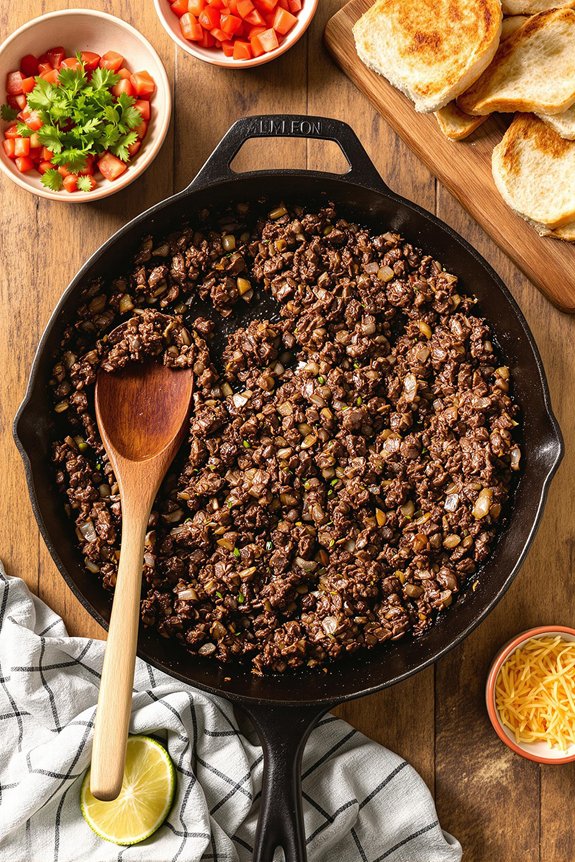
Start with the meat sauce by heating 1/2 cup olive oil in a deep pan, then add your 1 kg of thrice-minced beef along with the grated onion and 4 finely chopped garlic cloves. Brown everything thoroughly, stirring constantly to prevent clumping (nobody wants beef boulders in their moussaka).
Pour in 1/2 cup red wine and let it bubble away until it evaporates, releasing all those wonderful aromatics. Add your chopped tomato, 1/2 teaspoon oregano, bay leaf, salt, and pepper, stirring regularly until the tomato softens. Then mix in 1/2 cup condensed tomato juice, let it thicken a bit, and finally add 2 cups of water. Allow this mixture to simmer until the beef is tender and the liquid has reduced by at least two-thirds, creating a rich, thick sauce.
While your meat sauce works its magic, prepare the vegetable layers. Slice your 2 large eggplants and soak them in salted water for an hour—this clever step removes bitterness and reduces oil absorption when frying.
After soaking, drain and dry them thoroughly with kitchen towels. Fry your potato slices until golden, then drain on paper towels before arranging them as the bottom layer in your oiled baking dish. Next, fry the eggplant slices until tender, drain, and layer them atop the potatoes. Using a professional food processor can significantly speed up your vegetable prep time for large batches of moussaka. Sprinkle with salt, pepper, and 1 tablespoon of grated cheese before pouring your strained meat sauce (draining excess oil is essential—greasy moussaka is nobody’s friend) evenly over the eggplant, then sprinkle with another tablespoon of cheese.
The crowning glory is the bechamel cream, a family heirloom recipe that elevates this dish from good to unforgettable. Melt 200g of margarine in a pot over low heat, then stir in 10 tablespoons of flour to form a roux.
Quickly whisk in 4 cups of cold milk until the mixture begins to thicken, then add the remaining milk and 2 beaten eggs. Continue whisking vigorously until you achieve a smooth, creamy texture—arm workout, anyone? Mix in 5 tablespoons of sugar, salt, pepper, 1/2 teaspoon cinnamon, and 3-4 tablespoons of spicy grated cheese until everything is well incorporated.
Let it bubble gently for a minute while stirring constantly. Pour this velvety bechamel over the meat layer, dot the surface with margarine, and bake at 180°C (350°F) for about 30 minutes, or until the top develops a beautiful golden-brown patchwork.
Allow your masterpiece to rest for 20 minutes before cutting—patience rewards you with cleaner slices and more developed flavors.
Greek Moussaka Substitutions and Variations
While traditional moussaka relies on specific ingredients for its authentic flavor, there’s plenty of room to adapt this classic Greek dish to suit your dietary needs or pantry limitations.
Don’t have eggplant? Try zucchini or even sliced butternut squash instead. For a vegetarian version, swap the beef for lentils or a hearty mushroom mixture—still delicious, just different.
The béchamel can be lightened with Greek yogurt for a tangier finish, or made dairy-free with plant milk and olive oil.
My favorite twist? Adding a pinch of nutmeg to the béchamel. Pure magic.
Recommended Products

SAFETY MANDOLINE SLICER: This mandoline slicer whit build-in blades design, no need to touching blades,safe & quickly slicing vegetable & fruits, easy to set up and clean up.If you’re looking for a fast way to slice up vegetables, This will be your great choice.

🥗【5-in-1 Multi-Functional Cheese Salad Maker】This professional salad maker is equipped with five interchangeable stainless steel cones, including coarse line blade, fine line blade, slicing blade, wavy blade and grating blade, which can satisfy your cutting needs for different ingredients, and easily create diverse salads.

Meal Prep MVP - A practical and innovative way to dice, slice, julienne, grate or spiralize your vegetables and fruits. With the Ultimate Chopper/Slicer & Spiralizer, preparing your favorite dishes for your whole family is no longer a chore. Made with premium materials like grade 420 stainless steel blades and food-grade bpa-free materials, it's the perfect tool to make home cooked meals easier and faster.
What to Serve with Greek Moussaka
Since moussaka stands as a rich, hearty centerpiece dish, I like to balance it with lighter, fresher accompaniments that won’t compete with its complex flavors.
A crisp Greek salad with chunks of cucumber, tomato, and feta makes perfect sense, doesn’t it?
For bread, warm pita or a crusty country loaf will soak up that delicious sauce—trust me, you won’t want to waste a drop.
A simple tzatziki on the side adds cooling contrast to the warm spices.
White wine lovers, reach for a dry Assyrtiko.
Red drinkers? A medium-bodied Agiorgitiko pairs beautifully with moussaka’s savory layers.
Recommended Products

Meet Your Daily Needs: DOWAN larger and deeper ceramic baking dish measures 15.6"L x 9.3"W x 3.1" H (including handle size)-135 OZ, sized perfectly for cooking lasagna, casseroles, chicken, roast, bread, pasta, beef, and more. Whether you're cooking a family dinner or serving food, this versatile casserole dish has got you covered.

High-Quality Bakeware: A bakeware solution that’s beautiful, durable and easy to clean
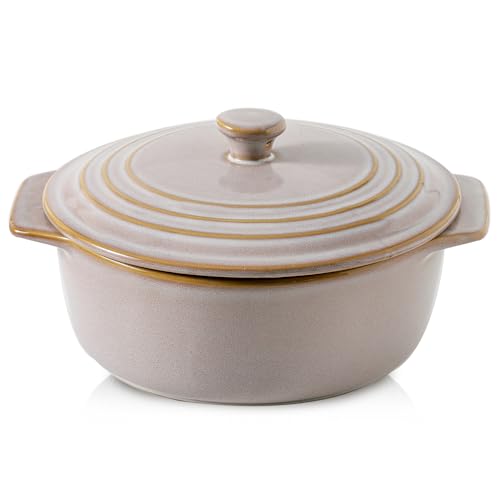
Multiple Uses in Life: HVH's ceramic bakeware with a capacity of 2qt and a size of 9 inches is very suitable for preparing and serving various dishes, including casseroles, lasagna, spaghetti, chicken, meat, beef, vegetables, roasting, reheating leftovers and more. It is suitable for baking, storage and many more daily use that will meet your different needs.
Final Thoughts
As I reflect on this treasured moussaka recipe, I can’t help but appreciate how it embodies generations of Greek culinary wisdom.
The careful three-stage process—preparing the aromatic meat sauce, layering those oil-kissed vegetables, and crowning it all with that decadent family-secret béchamel—creates something truly magical.
What makes this dish special isn’t just the ingredients, but the patience it demands.
The waiting while eggplant soaks, the vigilant stirring of béchamel, the 20-minute rest before serving.
Moussaka teaches us that good food can’t be rushed, much like family traditions themselves.
Worth every minute, don’t you think?