
Why You’ll Love these Greek Cabbage Rolls
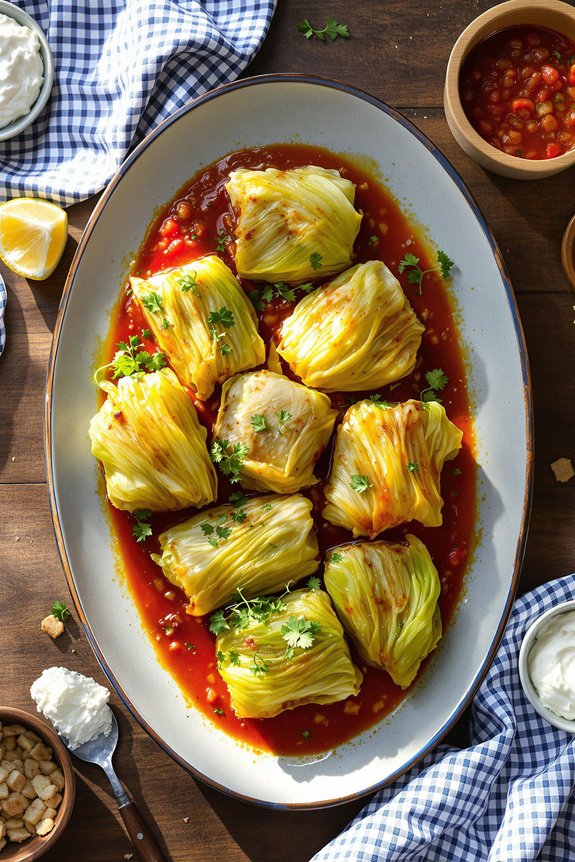
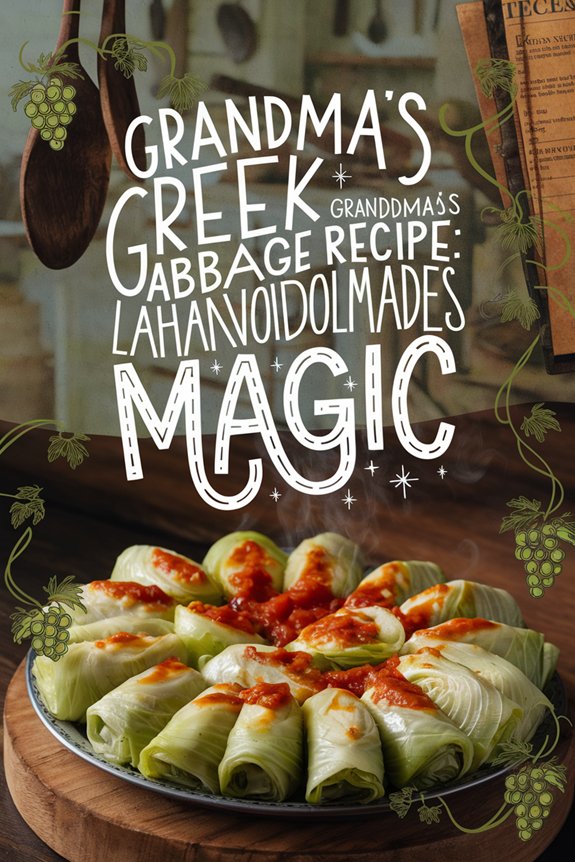
When you’re craving something truly comforting yet impressive, these Greek cabbage rolls—or lahanodolmades—are the answer to your culinary prayers.
The tender cabbage leaves cradle a savory mixture of ground beef, rice, and herbs that creates the perfect balance of flavors in each bite.
I’m obsessed with how the tomato sauce simmers into a rich, velvety blanket that transforms humble ingredients into something magical.
Need a make-ahead meal? These rolls actually taste better the next day, with flavors that deepen overnight.
And isn’t there something wonderfully satisfying about rolling each little package yourself?
What Ingredients are in Greek Cabbage Rolls?
The heart of any good lahanodolmades recipe lies in quality ingredients that work together to create that unmistakable Greek flavor profile. These cabbage rolls blend hearty ground beef with aromatic herbs and spices, all wrapped in tender cabbage leaves and bathed in a rich tomato sauce. The combination might seem simple, but trust me, the result is nothing short of Mediterranean magic in every bite.
For the Cabbage Rolls:
- 1 head of cabbage
- 1 to 1½ pounds ground beef (chuck preferred for flavor)
- ½ cup parboiled long grain rice
- ½ cup breadcrumbs
- 2 teaspoons grated Pecorino Romano cheese
- 1 minced onion (processed in food processor)
- ¼ bunch fresh parsley, minced
- Oregano, salt, and pepper to taste
- A dash of olive oil
For the Tomato Sauce:
- 1 chopped onion
- ½ bunch chopped parsley
- 3-4 chopped garlic cloves
- 2 chopped tomatoes
- 1 cup crushed tomatoes
- 1-2 teaspoons tomato paste
- Oregano, salt, and pepper to taste
- ½-¾ cup olive oil
- Water
When shopping for these ingredients, the quality of your ground beef makes a significant difference—chuck has the perfect fat content for juicy, flavorful rolls.
And don’t skimp on the olive oil or fresh herbs, which carry those distinctly Greek notes throughout the dish. I sometimes add a pinch of cinnamon or allspice to my mixture, though it’s not in the traditional recipe.
The rice should be parboiled (partially cooked) to guarantee it finishes cooking perfectly inside the rolls without becoming mushy or remaining crunchy.
Now, who’s ready to start rolling?
Recommended Products

15 QUARTS: The NutriChef Stainless Steel Large Cooking Pot features 15-quart capacity weighing 6.7 lbs w/ lid which is the perfect size for boiling eggs, simmering stocks & soups or making sauces for a large crowd. Great for commercial & home cooking

6 QUARTS: The NutriChef Stainless Steel Large Cooking Pot features 6-quart capacity weighing 4.5 lbs w/ lid which is the perfect size for boiling eggs, simmering stocks & soups, or making sauces.Great for commercial & home cooking

THIS 20QT STOCKPOT IS A NECESSARY ADDITION TO YOUR KITCHEN - This large 20QT stockpot features the timeless French kitchen elegance design; cuts a fine figure both in the kitchen and at the dining table - Made of food grade NICKEL FREE stainless steel for better health and better nutrition - 4.2MM in base thickness and 7.8LBS in weight - Great for boiling lobster, crab, or simmering stocks, soups for large crowds - Discover the gourmet chef in you with this beautiful and efficient stockpot.
How to Make these Greek Cabbage Rolls
Let’s start by preparing the cabbage. Bring a large pot of salted water to a boil, then begin removing the outer leaves of the cabbage until they no longer come off easily. Blanch these outer leaves for about 3-5 minutes until they become pliable enough to work with.
For the remaining cabbage head, you’ll need to blanch it in 3-5 minute intervals, removing the softened outer layers each time. I find it easiest to remove the leaves under cold running water, using a slotted spoon to transport the cabbage back and forth from the pot. This process is a bit tedious, sure, but those perfectly softened leaves make all the difference when rolling.
While your cabbage cools slightly, prepare the filling by combining 1-1½ pounds of ground beef, ½ cup parboiled rice, ½ cup breadcrumbs, 2 teaspoons of Pecorino Romano, 1 minced onion, and ¼ bunch of minced parsley in a large bowl. Season with oregano, salt, pepper, and a dash of olive oil, then mix thoroughly by hand until all ingredients are well incorporated.
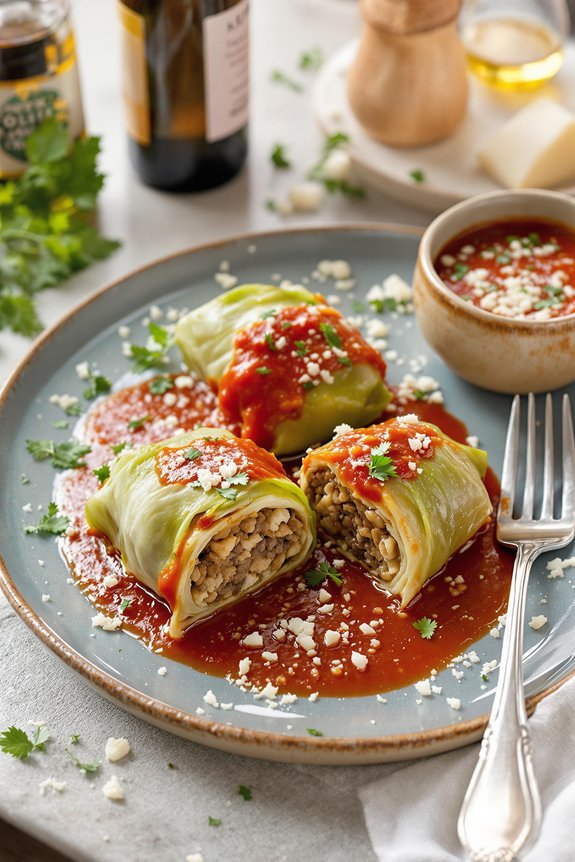
Next comes the fun part—stuffing and rolling! Place about a teaspoon of the meat mixture at the base (thickest part) of each cabbage leaf. Give it one roll forward, then fold in each side, and continue rolling until completely closed. Don’t stress if they’re not picture perfect; these rolls are forgiving and will still taste amazing.
For the sauce, sauté 1 chopped onion, ½ bunch of chopped parsley, and 3-4 chopped garlic cloves in ½-¾ cup olive oil over medium-high heat until the onions turn translucent. Season with salt and pepper, then stir in 1-2 teaspoons of tomato paste and cook for a minute to develop the flavor.
Add 2 chopped tomatoes, allowing them to release their juices before stirring in 1 cup of crushed tomatoes. Season again with salt, pepper, and a modest amount of oregano. Arrange your cabbage rolls tightly in the pot, stacking as needed, then add enough water to reach halfway up the rolls.
To keep everything intact during cooking, place an upside-down plate on top of the rolls. Using a kitchen food processor can significantly speed up your prep time when chopping onions, garlic, and herbs for this recipe. Bring to a boil, then reduce heat to low, cover, and simmer for about an hour. The sauce might seem thin at first, but once you remove the rolls, you’ll see its true consistency—you can always thicken it by reducing for a few extra minutes with the lid off if desired.
Greek Cabbage Rolls Substitutions and Variations
Now that you’ve mastered the traditional recipe, you might be wondering about possible tweaks to these delicious Greek cabbage rolls.
I’m all about flexibility in the kitchen, aren’t you?
Try ground lamb or turkey instead of beef for a different flavor profile.
Not a fan of rice? Quinoa or bulgur wheat work beautifully as substitutes.
Vegetarians can skip the meat altogether and double up on grains, adding chopped mushrooms for that umami goodness.
For a lighter version, swap breadcrumbs with almond meal.
And those tomato-averse folks? A lemony avgolemono sauce makes for a tangy, bright alternative.
Recommended Products

POWERFUL PERFORMANCE: Equipped with a 1000-peak-watt motor, this Ninja food processor effortlessly handles tough ingredients, ensuring smooth and consistent results every time.

POWERFUL PERFORMANCE: The 1000-peak-watt motor precisely powers through tough ingredients to ensure smooth, consistent results every time.

【Indispensable Kitchen Helper】GANIZA BPA-FREE food processor features 2 sets of blades and paired bowls (8-Cup glass bowl and 8-Cup stainless steel bowl). Easily chop meat, fish, vegetables, nuts, frozen fruit, or make a salad, guacamole, etc, the food chopper is ideal for multiple kitchen tasks!
What to Serve with Greek Cabbage Rolls
Four perfect side dishes complement these savory lahanodolmades, creating a complete Greek feast that’ll transport you straight to a seaside taverna.
A classic Greek salad with chunky tomatoes, cucumbers, and feta cheese brings fresh crunch and acidity to balance the rich cabbage rolls.
Warm pita bread? Absolutely necessary for sopping up that incredible tomato sauce.
Tzatziki, that cooling cucumber-yogurt dip, cuts through the heartiness beautifully. Trust me, you’ll want extra.
Finally, consider some lemon-roasted potatoes with oregano and olive oil. The citrusy, herby potatoes make the meal feel complete, like something my—I mean your—Greek grandmother would proudly serve.
Recommended Products

【3-PIECE PRESSURE REGULATOR】Our 50332 canner pressure regulator consists of the pressure regulator body and two 5-pound weight rings. Completely assembled, it will maintain 15-pounds of pressure.
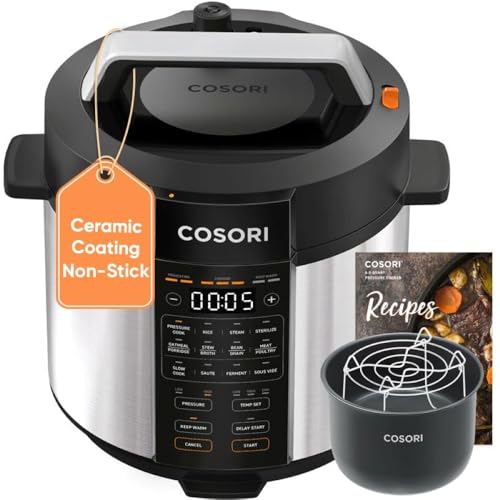
𝟵 𝗠𝗮𝗰𝗵𝗶𝗻𝗲𝘀 𝗶𝗻 𝟭: Pressure Cook, Rice, Steam, Sterilize, Oatmeal/Porridge, Stew/Broth, Bean/Grain, Meat/Poultry, Slow Cook, Sauté, Ferment, Sous Vide, Keep Warm

16-in-1 Customizable Functions: This versatile multicooker combines a pressure cooker, slow cooker, rice cooker, and steamer in one appliance. With 12 preset programs, it makes it easy to prepare quick dinners, steamed dishes, homemade yogurt, and more
Final Thoughts
Although these Greek cabbage rolls take a bit of time to prepare, I promise they’re worth every minute you spend rolling and simmering.
There’s something deeply satisfying about transforming simple ingredients into these little bundles of flavor. The combination of tender cabbage, savory beef, and that rich tomato sauce creates the kind of comfort food that lingers in your memory.
What makes these lahanodolmades truly special? Perhaps it’s how they connect us to generations of Greek home cooks who perfected this technique.
Or maybe it’s just that irresistible moment when you cut into one and watch the steam rise.