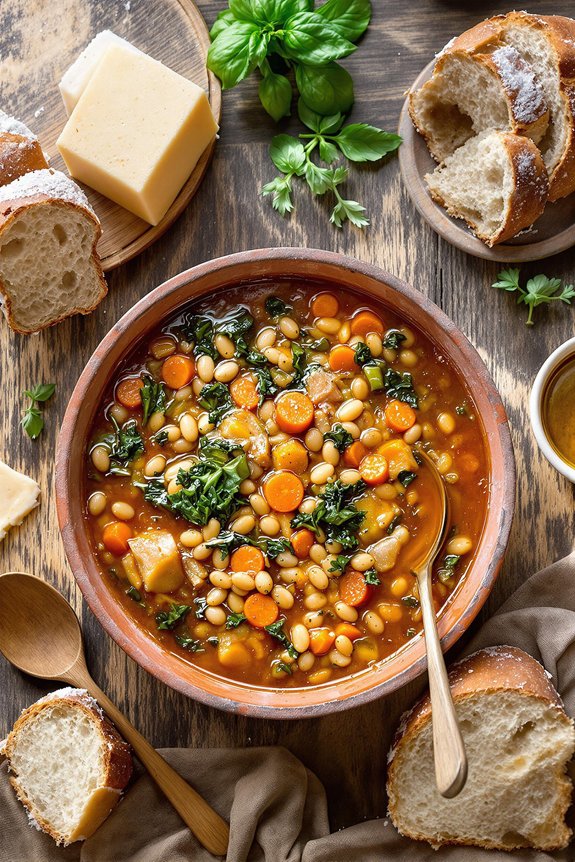
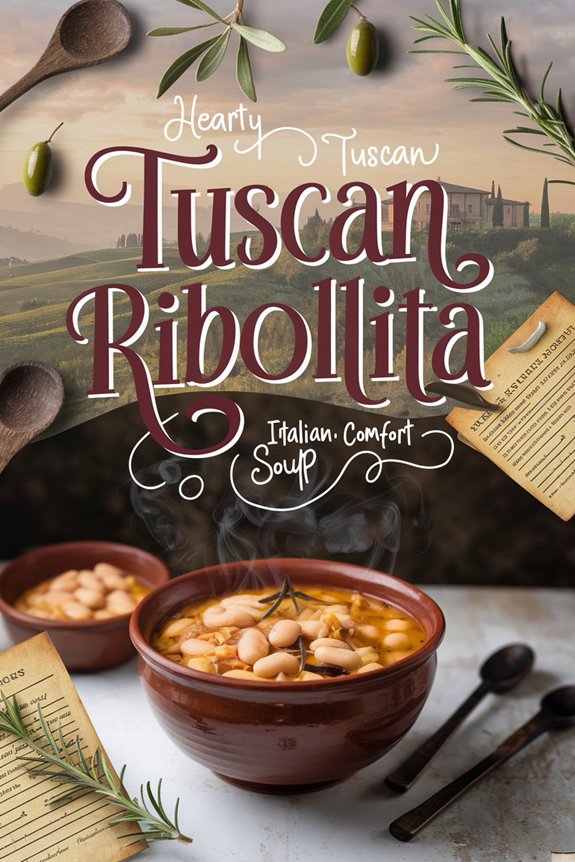
Why You’ll Love this Hearty Tuscan Ribollita
When you’re craving something that warms you from the inside out, this authentic Tuscan ribollita delivers in every possible way.
The transformation of humble ingredients—layers of vegetables, beans, broth, and day-old bread—creates a meal that’s both rustic and refined.
I’m particularly fond of how this soup actually improves overnight, when flavors meld and deepen.
Isn’t that the mark of truly great comfort food? The starchy creaminess from the bread, the earthy beans, and the vibrant vegetables come together in perfect harmony.
Plus, it’s wonderfully economical, turning kitchen staples into something magical.
What Ingredients are in Hearty Tuscan Ribollita?
Traditional ribollita is a celebration of what’s fresh, seasonal, and available—a reflection of the resourceful cooking style of Tuscan peasants who wasted nothing. The name literally means “reboiled,” referring to how this soup improves when reheated the next day.
What makes this soup special is the combination of aromatic vegetables, hearty greens, creamy beans, and—most distinctively—chunks of stale bread that thicken the soup to an almost stew-like consistency.
- 4 tablespoons olive oil (plus extra virgin for drizzling)
- 1 red onion, chopped
- 1 leek (white part only), chopped
- 2 cloves garlic, chopped
- 4 carrots, sliced into half-inch rounds
- 4 zucchini, sliced into half-inch rounds
- 1/4 whole savoy cabbage, shredded and chopped
- 2 cups kale, shredded
- 2 cups spinach, shredded
- 4 small potatoes, peeled and cut into half-inch cubes
- 1 cup green beans, cut into bite-size pieces
- 2 cups cooked cannellini beans (1 cup pureed, 1 cup whole)
- 5 cups broth (any kind you prefer)
- 4 tablespoons tomato paste
- 1 pound stale Italian bread, cut into 1-inch cubes
- Grated Parmesan cheese, for serving
The beauty of ribollita lies in its flexibility. Don’t have kale? Use more cabbage. No leeks in the pantry? Just increase the onion.
What’s non-negotiable, though, is using genuinely stale bread—not just toasted fresh bread—as it has the perfect structure to absorb the broth without completely disintegrating.
And while any broth works well, a good vegetable stock keeps this soup traditionally plant-based, though chicken broth adds a lovely richness if you’re not serving vegetarians.
Could I use anything besides cannellini beans? Sure, but their creamy texture and mild flavor are really what makes this soup authentically Tuscan.
Recommended Products

Even Heat Distribution Retention: This Umite Chef Dutch oven Made with heavy-duty enameled cast iron, ensures even heat distribution for perfect searing and slow cooking, locking in flavors. thickened walls lock in heat for slow braising, searing, and baking. Unlike thin pots that scorch food, this professional-grade Enameled cast iron potSuperior heat retention after preheating (allow 5-7 mins for even distribution). CRITICAL: Always cool naturally for 45+ mins before cleaning. Thermal shock (hot-to-cold contact) cracks enamel. USE TIP: Preheat 2-3 mins on medium-low only

Pre-seasoned 2-in-1 cast iron dutch oven: The 2-In-1 cast iron dutch oven pot with skillet lid has been burned with vegetable oil,(no synthetic coatings or chemicals). The shallow skillet that can be used as a lid

BREAD BAKER'S DUTCH OVEN, 500°F OVEN-SAFE, SOURDOUGH-READY – one of the highest ratings in its class – delivering the sustained heat that sourdough, artisan bread, and pizza dough demand. Thick cast-iron walls trap and circulate heat like a brick oven, producing bakery-quality crusts at home. The tight-sealing lid features raised self-basting nodes that continuously recirculate steam: a perfect moisture chamber, every single bake.
How to Make this Hearty Tuscan Ribollita
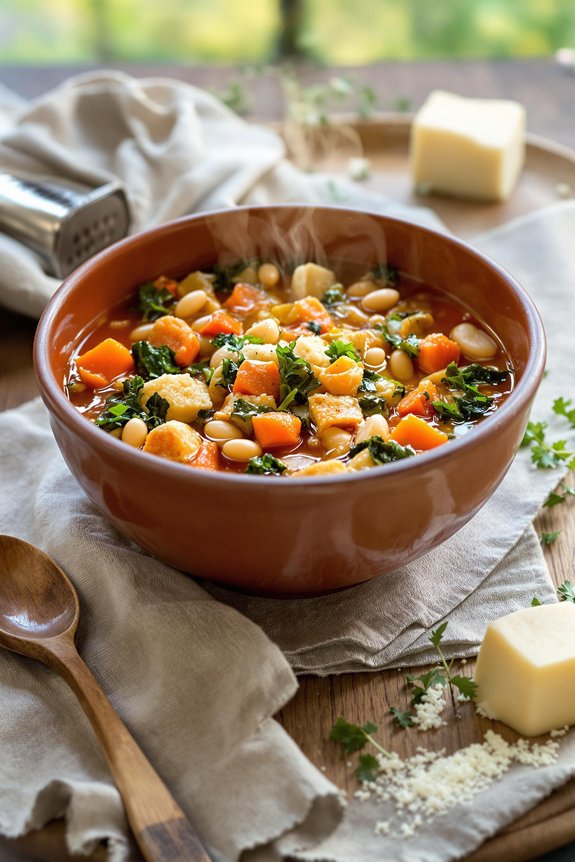
Making ribollita is like conducting a savory symphony in two movements—one day for creating the base, and another for the grand finale with bread.
Start by heating 4 tablespoons of olive oil in a large pot, then add your chopped red onion and leek, sautéing them over low heat until they begin to caramelize. This slow cooking process, which takes about 10-15 minutes, develops a sweet foundation that elevates the entire soup.
When they’re golden and fragrant, add 2 chopped garlic cloves and sauté for just a minute—any longer and the garlic might burn and turn bitter.
Now comes the vegetable medley: 4 sliced carrots, 4 sliced zucchini, 1/4 savoy cabbage (shredded and chopped), 2 cups shredded kale, 2 cups shredded spinach, 4 small diced potatoes, and 1 cup of bite-sized green beans all join the party.
Season everything with salt and pepper, give it a good stir, then cover and let it cook for about 20 minutes. The vegetables will reduce dramatically—by about half their volume—releasing their flavors into what’s becoming a concentrated vegetable base.
Next, pour in 5 cups of broth, bring it to a boil, then reduce to a simmer. Stir in 4 tablespoons of tomato paste until it dissolves completely, cover, and let everything cook together for a full hour.
Finally, add your 2 cups of cannellini beans (with half of them pureed), which gives the soup both texture and creaminess.
The magic of ribollita happens on day two. Gently reheat your soup and add 1 pound of cubed stale Italian bread. This isn’t just a garnish—it’s the heart of ribollita.
Stir occasionally as the bread softens and begins to break down, which takes about 10-15 minutes. The bread should transform into a porridge-like consistency that thickens the entire soup.
Using a slow cooker multicooker can make this process even more convenient, allowing the flavors to meld together perfectly while you attend to other tasks.
If it becomes too thick for your liking, simply thin it with additional broth until it reaches your preferred consistency.
When serving, finish each bowl with freshly-cracked black pepper, a generous sprinkle of grated Parmesan cheese, and that final drizzle of extra virgin olive oil that makes everything sing.
Would you believe the flavors continue developing even after this? That’s why ribollita often tastes even better on day three—if it lasts that long.
Hearty Tuscan Ribollita Substitutions and Variations
Three wonderful things about ribollita make it incredibly adaptable to what you have on hand.
First, the vegetable mix is forgiving—swap kale for chard, use savoy or regular cabbage, or throw in that lonely celery stalk.
Second, the beans are flexible: cannellini are traditional, but navy or even chickpeas work in a pinch.
Third, the bread—any rustic, crusty loaf that’s gone stale will do the trick.
I love adding a parmesan rind while it simmers for extra umami depth.
Vegetable broth keeps it traditional, but chicken stock adds richness if you’re not vegetarian.
Trust me, the options are endless.
Recommended Products
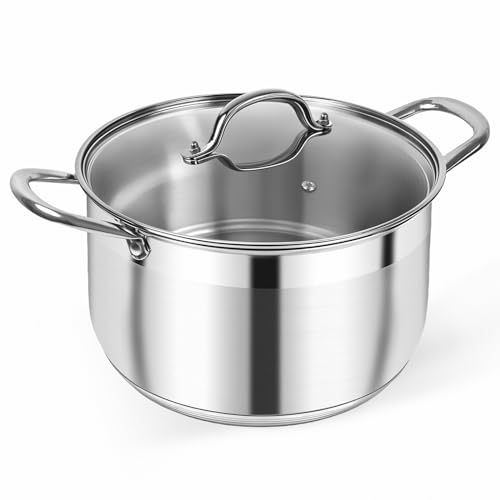
Stainless steel and 5 layers bottom: Kirecoo 8-Quart Stainless Steel Stockpot with Lid is an essential kitchen cookware, boasting an advanced stainless steel construction with a 5-layer thickened base. This cooking pot features high temperature and corrosion resistance, promising a long service life without easy deformation. Composed of aluminum, iron, aluminum, and a magnetic base, the 5-layer bottom of stockpot has good sturdiness and performance. It heats quickly and distributes heat evenly.

Non-Toxic Stainless Steel: Built with durable 3-layer construction for lasting performance

Large capacity: holds up to 8 quarts--great for large batches of soups, stews, and more
What to Serve with Hearty Tuscan Ribollita
While ribollita stands perfectly well on its own as a complete meal, pairing it with complementary sides can elevate your dining experience to true Tuscan perfection.
I’m partial to serving a simple arugula salad dressed with lemon and olive oil—the peppery greens cut through the richness of the soup beautifully.
A platter of thinly sliced prosciutto or a small board of pecorino cheese makes an excellent starter.
And let’s not forget wine, the heartbeat of Tuscan dining. A medium-bodied Chianti, with its bright acidity, works wonders alongside the rustic flavors of ribollita.
Isn’t that what Italian dining is all about? Simple, unfussy pairings.
Recommended Products

FIVE COOKING FUNCTION: Bear Electric Casserole features braise/stew, soup, stir-fry, and rice functions. It is specially equipped with a stir-fry function. Stir-fry the ingredients before making soup and then simmer to get the best flavor.

【Ceramic Pumpkin Pot】Pumpkin shaped bowl isn't just for collectors, it's for those who loves new things for their tables. Whimsy dinnerware ceramic pumpkin bowl makes your food looks more appetizer, ceramic pumpkin Bowls with lid delicate yet practical, it's a pumpkin decor not only for Halloween, Thanksgiving, home, party, etc., but also for hosting gatherings or family meals.
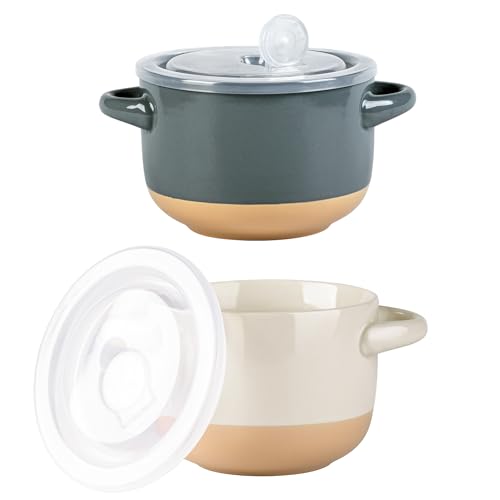
HEALTHY & EXCELLENT VALUE:These bowls are crafted from eco-friendly clay and fired at high temperatures to ensure that they are free of harmful substances like lead and cadmium. This means that you can safely enjoy your meal without worrying about any toxins leaching into your food. Twice fired premium stoneware make it sturdy, durable and chip-resistant for long use.
Final Thoughts
After trying this ribollita recipe, you’ll understand why Tuscans have treasured this dish for generations. There’s something magical about how simple ingredients transform into such profound comfort food. The way day-old bread melts into the vegetable-packed broth creates a texture that’s unlike any other soup.
I’m convinced it’s the overnight rest that makes ribollita truly special—giving those flavors time to mingle and deepen. Don’t rush this process. And remember, like many traditional recipes, this one welcomes adaptation based on what’s in your garden or fridge. Buon appetito, friends. Simplicity at its most delicious.